


Making the Most of Your Walk
Having the right park is half the battle. The other half is knowing what to bring and when to go. We've picked up a few tips that make every outing more enjoyable.
Timing Matters
Early morning walks — say 8 to 10 AM — are quieter and cooler. You'll beat the crowds and the afternoon heat. If you're more of an afternoon person, aim for late afternoon when the sun's lower and shade becomes even more valuable. Avoid midday on hot days unless you're sticking to the most heavily shaded routes. Weekend mornings get busy at all the popular parks, so weekday visits mean more peaceful walking.
What to Bring
Water's essential, even on mild days. A small backpack works better than carrying a bottle by hand. Comfortable shoes matter far more than fancy gear — you want support, not style. If you're sensitive to sun, a hat or cap makes a real difference. Some people bring a walking stick, not because they need it for mobility but because it distributes effort more evenly. There's no shame in it — it actually reduces impact on knees and hips.
Reading the Paths
Smooth tarmac is easiest on your feet but can be hard on joints in hot weather. Gravel paths feel softer but need more concentration. Mixed surfaces mean variety, which keeps muscles engaged. If you're trying a new park, start with the flat sections and explore further once you know the layout. Don't push yourself — a 1-kilometer walk where you're comfortable beats a 2-kilometer walk where you're struggling.

Accessibility Features That Matter
All five parks we've covered have decent accessibility, but there are differences worth knowing. Here's what you'll find at each one.
Parking & Entry
Parade Gardens and Waterford Road Park have dedicated disabled spaces within 50 meters of the main entrance. Jenkinstown Park has accessible parking, though it's a short walk from the furthest trail sections. Maud's Lawn's parking is limited but very close. The Mill Path has parking at the towpath entrance only. None of these parks have gates or barriers that prevent entry — you can walk in anytime during daylight hours.
Restroom Facilities
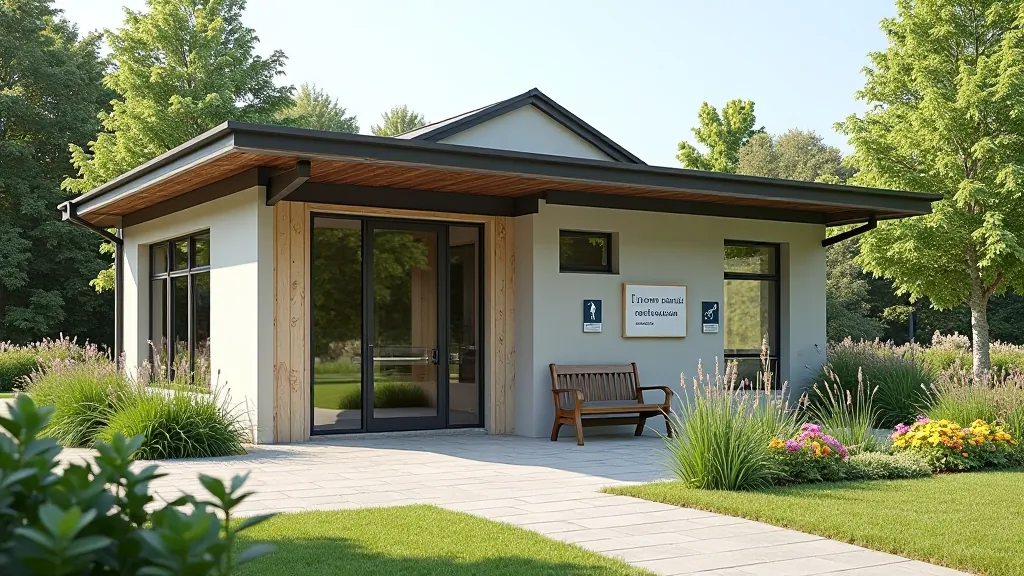
Parade Gardens has a café with restrooms. Waterford Road Park and Jenkinstown Park have modern pavilion facilities. Maud's Lawn doesn't have dedicated facilities, but shops are very close by. The Mill Path has facilities at the starting point only. If restroom access is important, Waterford Road Park and Jenkinstown Park are your best bets.
Path Conditions
All paths are maintained regularly. Parade Gardens and Maud's Lawn have perfectly smooth surfaces. Waterford Road Park and The Mill Path are mostly smooth with occasional slight variations. Jenkinstown Park's gravel paths need more attention after heavy rain. None of the parks have steps or steep gradients on the main routes.
How Parks Change with the Seasons
The same park feels completely different depending on when you visit. Spring brings new energy. Summer offers shade but also crowds. Autumn is genuinely beautiful. Winter's quieter, and the light's different.
Spring (March-May)
Parks wake up. Trees leaf out, flowers bloom, and everything feels fresh. The temperature's ideal — not too hot, not too cold. Paths dry quickly after rain. This is peak visiting season, so expect more people. Waterford Road Park's woodland paths are particularly lovely in spring with new growth and wildflowers.
Summer (June-August)
Shade becomes crucial. Parade Gardens' lime trees really earn their place in summer. Early morning walks are more comfortable than afternoon ones. The Mill Path's proximity to water makes it feel cooler. Parks get busy, especially weekends. Some paths can get a bit dried out, so they're firmer underfoot but dustier.
Autumn (September-November)
This is genuinely the best season for walking. Temperature's moderate, humidity's lower, and the light's softer. Leaves change, making Jenkinstown Park and Waterford Road Park stunning. Paths can be slippery with fallen leaves, so watch your step. Crowds thin out significantly, and you'll often have stretches to yourself.
Winter (December-February)
Parks are quietest in winter. The light's lower, paths can be wet or icy, and you'll need appropriate clothing. But there's something peaceful about walking in winter — fewer people, bare branches showing the park's structure, and crisp air. Parade Gardens and Maud's Lawn are your safest bets for winter walking because their paths dry quickly and aren't as steep.

Your Walking Journey Starts Here
Finding the right park changes your walking routine from something you do to something you genuinely enjoy. You're not just getting exercise — you're getting peace, fresh air, and the satisfaction of being outside. It doesn't need to be complicated or extreme. A gentle 1-kilometer walk through Parade Gardens at 9 AM is just as valuable as a 3-kilometer loop through Jenkinstown Park on a cool autumn afternoon.
Start with whichever park feels closest or most appealing. Go early, go often, and don't worry about distance or pace. You'll quickly figure out which one becomes your favorite. Most people end up with two or three go-to parks depending on their mood and the season. That's exactly how it should work. Walking should feel like choice, not obligation.
Ready to explore more? Check out our detailed guides for specific routes and extended walks in Kilkenny's beautiful outdoor spaces.
Important Information
This guide is informational only and reflects conditions as of May 2026. Park facilities, pathways, and accessibility features may change. We recommend checking with local authorities or park management before planning your visit, especially if you have specific mobility needs or health considerations. While we've described these parks accurately, individual experiences vary based on fitness level, weather conditions, and personal preferences. Always carry water, wear appropriate footwear, and inform someone of your walking plans. If you have health concerns, consult your healthcare provider before starting any new walking routine.