
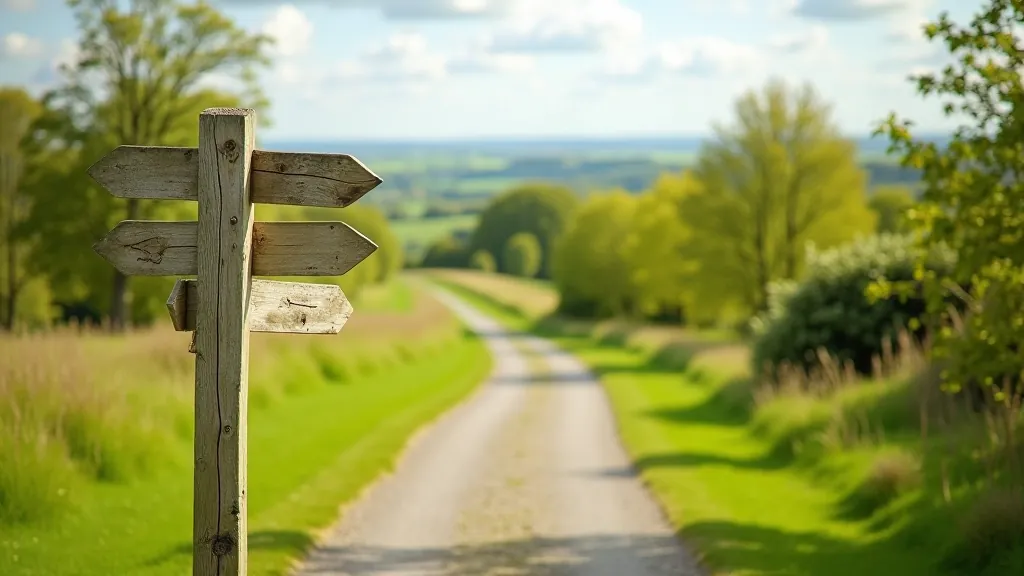
Why Trail Markers Matter
Trail markers are your silent guides. They're those painted blazes, signs, and cairns you'll spot along Kilkenny's walking routes. Without them, you're basically hiking blind. That's not an exaggeration — walkers who ignore markers end up on unintended detours, and some get genuinely lost.
The good news? Most markers follow simple conventions. Once you understand them, you'll navigate with confidence. Plus, learning to read markers means you'll spot hazards early, spot alternative routes when needed, and honestly enjoy your walk more because you're not constantly second-guessing yourself.
Reading Painted Blazes
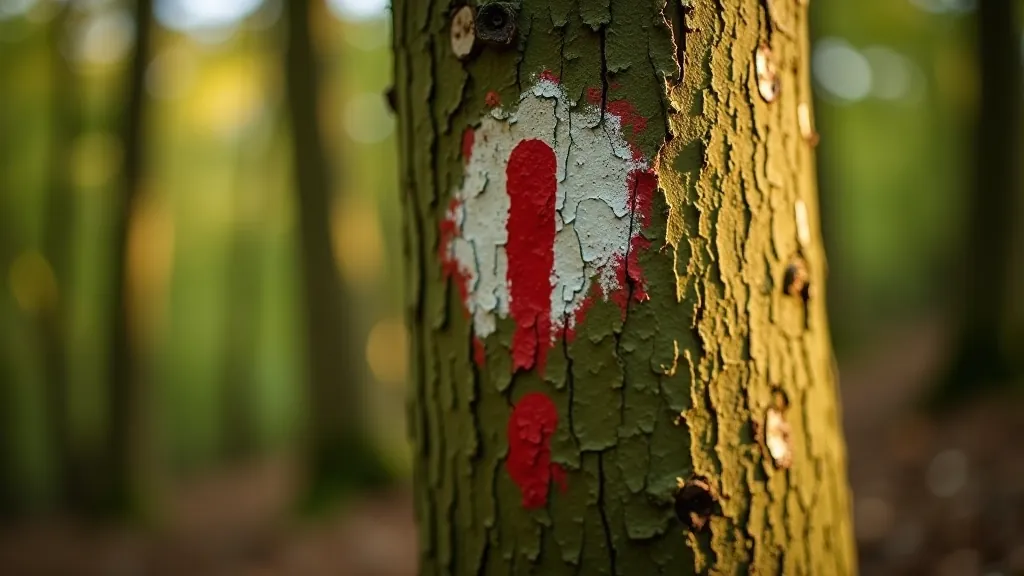
Painted blazes are rectangular marks, usually 5-8cm tall, painted directly on trees, rocks, or wooden posts. In Ireland, you'll mostly see red, white, or yellow blazes depending on the route authority.
Here's what they mean:
- Single blaze: Continue straight
- Two blazes (one above the other): Caution ahead — turn or hazard coming
- Three blazes: Trail junction or significant turn
- Blaze with different color below: Route change
The spacing matters too. If blazes are 20-30 meters apart, you're on the right path. If you haven't seen one for 10 minutes? Stop and backtrack. Don't keep hoping the trail reappears.
Understanding Signposts
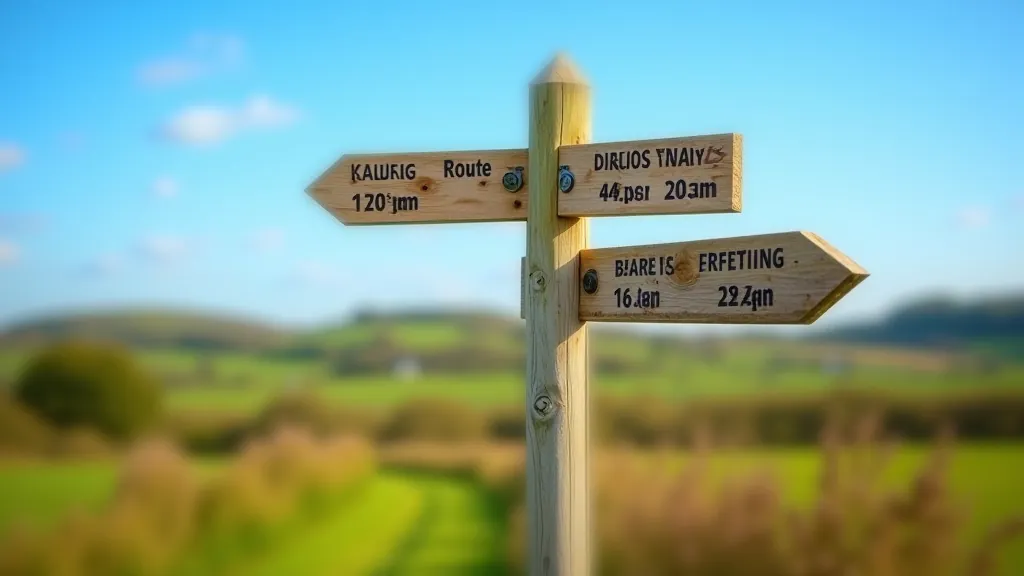
Wooden signposts are the clearest markers you'll encounter. They're usually found at trail junctions and major waypoints. Most Irish signposts show three pieces of information: the route name, direction of travel, and distance to key landmarks.
That distance? It's not always exact. Trail maintenance, seasonal changes, and rerouting mean distances shift. Use them as rough guides, not absolute truths. If a signpost says 3km to the next village and you've already walked 2.5km, you're nearly there — but don't be shocked if it's actually 3.2km.
Take a photo of important signposts. Seriously. If you need to backtrack, having a visual reference is invaluable. Plus, photos help you remember the route for next time.
Before You Head Out
Trail conditions change seasonally. Blazes fade, signs get damaged, and routes get rerouted. This guide provides general navigation principles, not route-specific instructions. Always check current conditions with local tourism offices or the route authority before departing. Weather changes rapidly in Ireland — bring extra layers and tell someone where you're going.
Map Reading Basics
A paper map and compass are your backup when technology fails. They don't need batteries, they won't lose signal, and they've guided walkers for centuries. Most OS (Ordnance Survey) maps show trail systems clearly with contour lines indicating elevation changes.
Start by orienting your map. Find a landmark you can see — a church spire, hilltop, or building — then locate it on the map. Rotate the map so that landmark aligns with the map's depiction. Now you're oriented.
Next, identify where you are on the map. Look for trail junctions, streams, or distinctive features. Cross-reference what you see around you with what's printed on the map. This takes practice, but it's not complicated. Most walkers get comfortable with it in a few outings.
Digital Tools & GPS
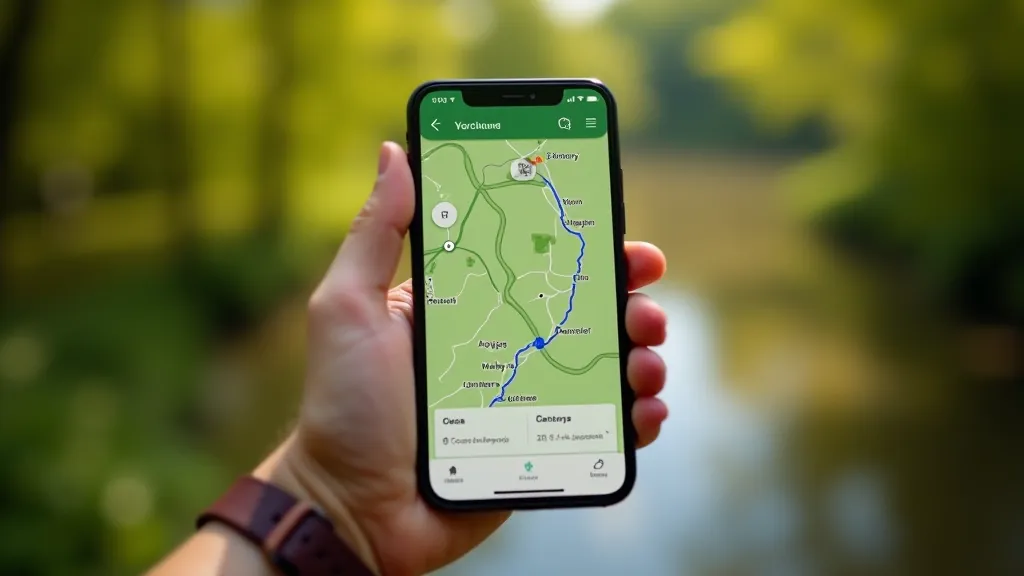
Smartphones have changed trail navigation. Apps like AllTrails, Komoot, and the Irish Trails app provide real-time GPS tracking, offline maps, and community route reviews. They're brilliant — but they're supplements, not replacements for proper navigation skills.
Battery life is the challenge. A full day walk can drain your phone from 100% to 0% if you're constantly checking GPS. Download offline maps before you leave. Turn off mobile data and keep your phone in airplane mode to preserve battery.
Here's the thing: if your phone dies halfway through your walk, you'll want to know how to navigate without it. That's why learning map and compass basics isn't old-fashioned — it's essential backup knowledge.
Safety Practices for Solo Walking
Walking alone is rewarding, but it requires extra attention. You're your own rescue team, so navigation confidence matters more. Here's what experienced solo walkers do:
Tell Someone Your Plan
Message a friend or family member with your route, estimated return time, and the name of the trail. If you're not back 30 minutes past your estimate, they should know where to start looking. This takes 30 seconds but could be genuinely lifesaving.
Start Early
Morning walks mean you've got daylight for the entire route plus buffer time if things go slower than expected. Don't start an unfamiliar trail in the afternoon. Dusk comes fast in Ireland, especially in winter.
Carry Communication
Your phone won't always have signal, but it's worth carrying. Consider a portable charger. In genuine emergencies, even 112 (EU emergency number) might get through when regular calls don't.
Know When to Turn Back
If conditions worsen — weather turns foul, visibility drops, you feel unwell — turn back. There's no prize for reaching the end if you're struggling. The trail will be there another day.
Start Simple, Build Confidence
You don't need to become a navigation expert before your first solo walk. Start with well-marked, well-trafficked routes. Practice reading blazes. Get comfortable with your phone's GPS. Once you've done a few routes, add map-and-compass skills to your toolkit.
Navigation skills build gradually. Each walk teaches you something — how quickly you cover distance, what conditions slow you down, how different terrain feels underfoot. This accumulated experience is worth more than any guidebook. It's confidence earned through doing.
Kilkenny's trails are genuinely rewarding. With proper navigation habits, you'll enjoy them safely, and you'll be eager to explore new routes. That's when walking stops being exercise and becomes something you actually look forward to.