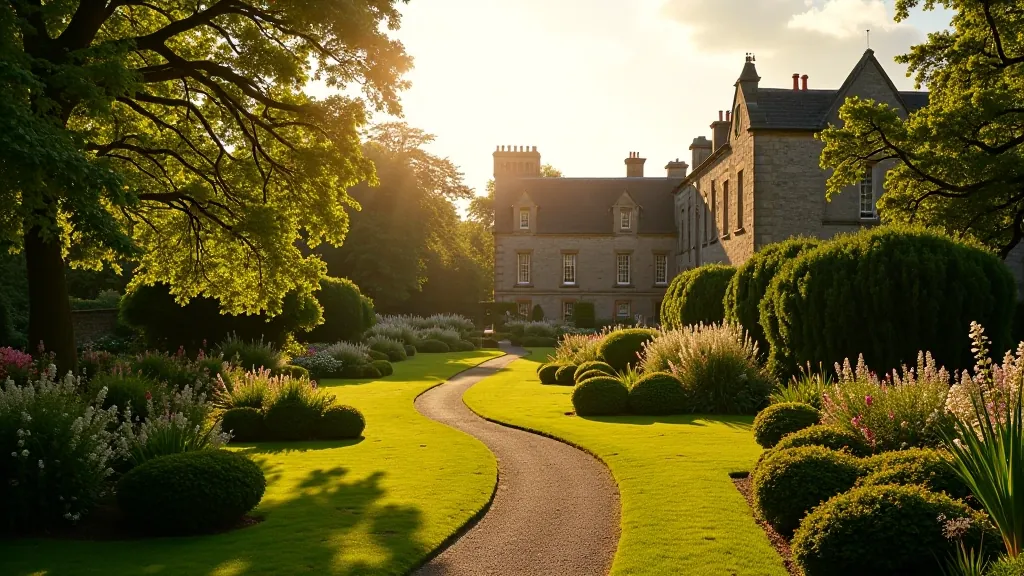
Kilkenny Castle Gardens Walking Route
Gentle 2km loop through historic gardens. Flat terrain, plenty of benches, and stunning architecture at every turn.
A scenic 3.5km riverside path with wildlife spotting opportunities and regular rest areas
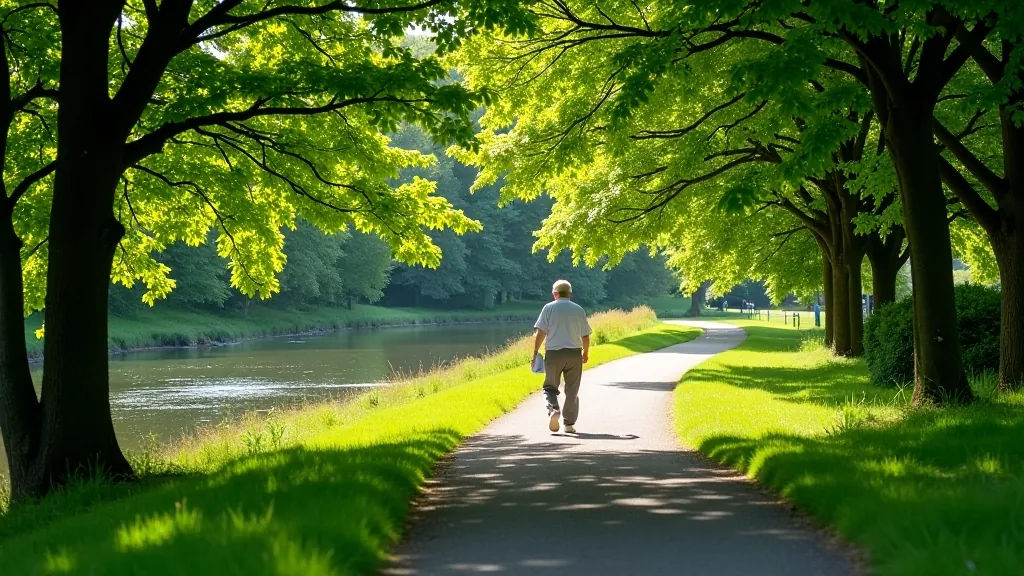
The Nore Riverside Walk isn't just another trail. It's one of Kilkenny's most accessible routes for mature walkers, with well-maintained paths, thoughtfully placed benches, and genuine natural beauty that'll make you want to come back. We've walked it ourselves, and here's what you need to know before heading out.
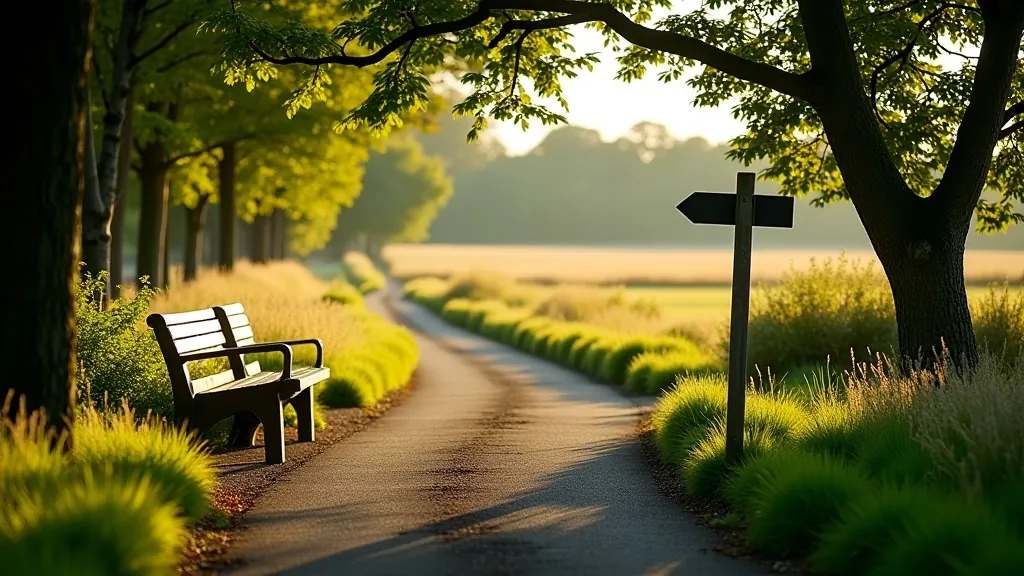
You'll follow the River Nore for most of the journey, spotting herons, kingfishers, and the occasional mink if you're lucky. The path takes about 75 minutes at a comfortable pace, though most people stop frequently to enjoy the views. There's shade throughout, which matters on warm days, and the terrain is genuinely flat — no hidden hills waiting to surprise you.
The walk starts at the Nore Linear Park car park, which is signposted clearly from the main road. There's free parking with about 20 spaces — come early on weekends if you're going in summer. The entrance is completely accessible, with a smooth tarmac path leading to the riverside trail. There's a small information board here with a basic map, though honestly, you won't need it. The path is so well-defined you could probably walk it with your eyes closed.
The first 500 metres is where you'll get your bearings. You'll pass under a road bridge and alongside some open grassland before the trees start closing in. This section's the busiest if locals are about, but even then it's never crowded. There's a decent bench right at the 300-metre mark if you need to catch your breath early on — we've seen people use it as a proper warm-up spot.


The path's really straightforward — you literally can't go wrong. There's a river on one side and woodland on the other. Just keep walking forward. That said, there are a few things worth knowing. The path does split briefly around the 2.2km mark where a side trail goes up to an old stone bridge. You don't need to take it, but it's worth a quick detour if you're interested in the area's history. The main path continues right along the water.
After heavy rain, you might find some sections muddy, especially near the benches where people have worn the grass away. Waterproof shoes make sense in winter. We'd also recommend walking this route clockwise starting from the car park — you'll have the sun at your back for most of it, which helps with glare if you're sensitive to that. It's not a rule, just something that works better.
This isn't a dangerous walk, but it's worth being sensible. Don't walk here alone if you're unsteady on your feet — there's nobody else around for stretches, and while the path's good, a fall could be awkward to recover from. Mobile signal's okay along most of the route, though it drops near the bridge area. Tell someone where you're going and roughly when you'll be back. The path does close occasionally after winter storms if branches come down, so it's worth ringing ahead if there's been bad weather.
Around the 2.5km mark, the path starts curving back on itself. You're heading toward a small car park at the far end, though most walkers turn back here instead of continuing the extra loop. It's entirely up to you. If you do continue, you'll walk through an open field section with good views back toward the town. It's less shaded, so on hot days it feels noticeably warmer.
The final kilometre back to the main car park is where many people notice their feet. It's still flat, still easy, but you're definitely aware of having been walking by this point. The last bench — bench number seven if you're counting — is right at the 3.2km mark, and it's a good spot to sit for a few minutes before the final push. From there, it's just a straight walk back along the same path you came in on. You'll be back at the car park within 10 minutes.
This guide is provided for informational and educational purposes to help you understand the Nore Riverside Walking route. It's not a substitute for your own judgment or professional advice. Walking conditions, accessibility features, and path maintenance can change with weather, seasons, and maintenance schedules. Always check current conditions before heading out, particularly after bad weather. If you have mobility concerns or health conditions that affect walking, consult with your healthcare provider before undertaking any walking route. The route description reflects conditions at the time of writing — verify current details with local visitor information or the managing authority before your visit.
The Nore Riverside Walk works because it's genuinely accessible without being boring. You're not fighting terrain, you're not navigating complicated junctions, and you're not sharing the path with cyclists zooming past. It's just you, the river, and whatever wildlife decides to show itself. Most people who walk it once end up coming back — some make it a weekly thing. That says something.
The wildlife spotting element adds something special too. You're not just exercising; you're actually seeing things. Herons, ducks, swallows, the occasional fox track in the mud. It keeps you engaged and looking around rather than just marching forward. And the benches matter more than you'd think. Being able to sit when you want, for as long as you want, changes how the walk feels. You're not rushing to the end. You're actually enjoying the place.
Come in May or June for the best weather and wildflowers. Autumn's good for the light. Even winter works if you've got decent waterproofs. Just give yourself 90 minutes, bring water, and go slowly. You'll be surprised how far a simple riverside path can take you.